Ashwagandha for Anxiety and Depression: What the Science Actually Says in 2026
If you spend any time on wellness social media, you have almost certainly seen ashwagandha marketed as a natural cure for anxiety, depression, insomnia, and just about every other mental health concern. It is one of the top-selling supplements in the United States right now, and 2026 industry data from SPINS ranks it among the fastest-growing nutraceutical ingredients alongside creatine and colostrum. But as a board-certified psychiatric mental health nurse practitioner who treats anxiety and depression every day, I want to give you the honest, clinical perspective on what ashwagandha can and cannot do for your mental health.
The truth is somewhere between the breathless social media claims and outright dismissal. There is real science here — but it comes with important caveats that most influencers will never mention. Let us walk through what the evidence actually shows, what the risks are, and when you should consider professional help instead of (or alongside) a supplement.
1. What Is Ashwagandha and Why Is Everyone Talking About It?
Ashwagandha (Withania somnifera) is an herb that has been used in Ayurvedic medicine for centuries. Its name literally translates to "smell of the horse," referring both to its distinctive odor and the traditional belief that it imparts the strength and vitality of a stallion. The plant's root contains compounds called withanolides, which are believed to be responsible for most of its biological effects. In the supplement aisle, you will find it in capsules, gummies, powders, and increasingly in functional beverages and snack bars — a reflection of the 2026 trend toward putting bioactive ingredients into everyday foods.
The reason ashwagandha has exploded in popularity is that it is classified as an "adaptogen" — a substance thought to help the body adapt to stress. In a world where anxiety and burnout are at record levels, the promise of a natural stress-reducer is understandably appealing. A recent Nature article examining the science behind popular supplements noted that a systematic review of 22 clinical trials did find that ashwagandha significantly improved stress, depression, and anxiety scores. However — and this is the critical part — the same researchers cautioned that study quality was generally low and that the herb should not be considered a definitive treatment but rather a promising area for further research.
What does this mean for you as a patient? It means the signal is real but the evidence is not yet strong enough to replace established treatments. Most of the positive studies used specific standardized extracts (like KSM-66 or Sensoril) at doses between 300 and 600 milligrams daily for at least eight weeks. The supplement you grab off a store shelf may or may not contain the same formulation, at the same dose, with the same purity. This is a significant problem in a market where quality varies enormously from brand to brand.
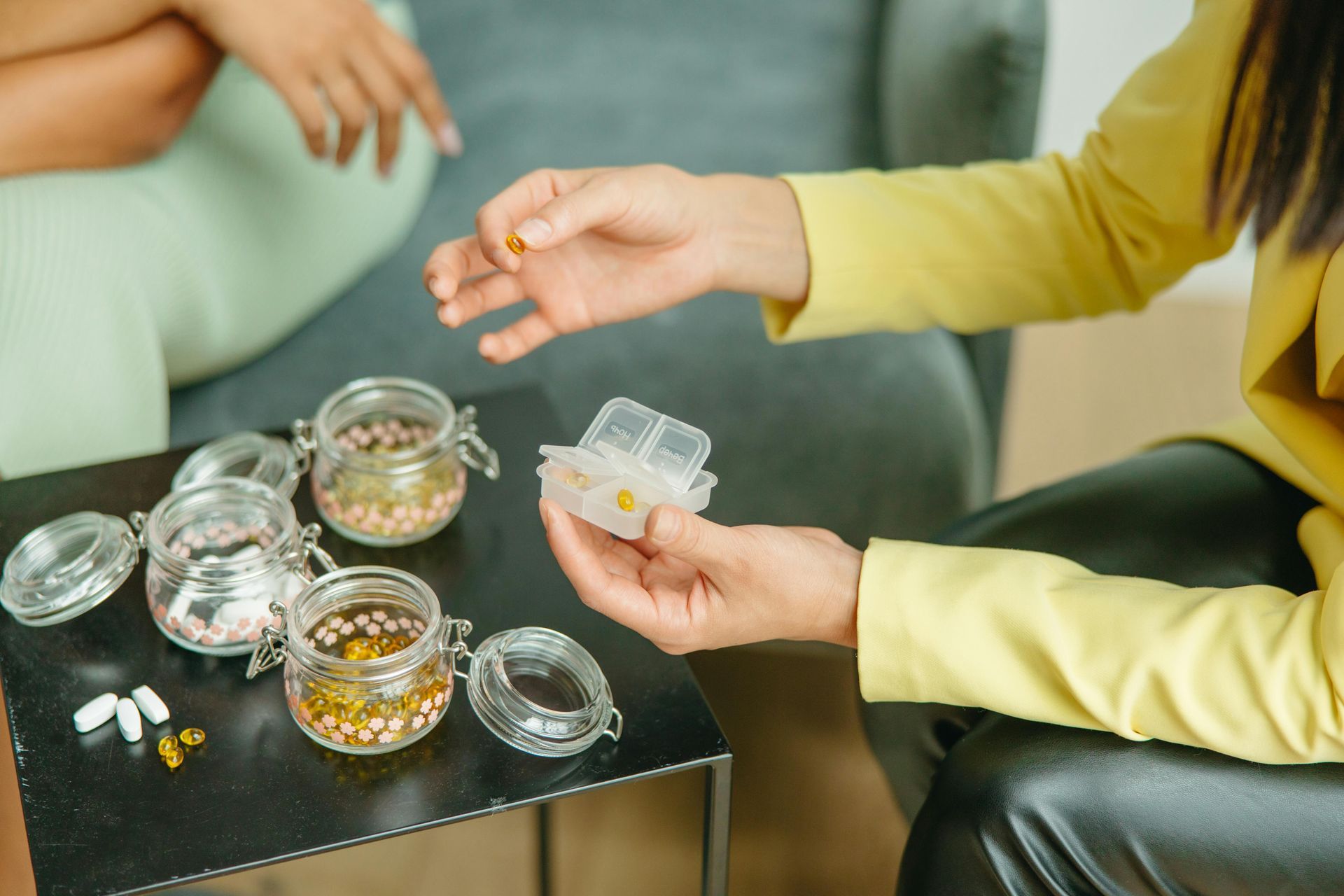
2. The Honest Truth About Ashwagandha for Anxiety
Several randomized controlled trials have found that ashwagandha root extract can reduce cortisol levels and improve scores on standardized anxiety scales compared to placebo. A commonly cited study found that 600 milligrams daily over eight weeks improved sleep quality, mental alertness upon waking, and perceived anxiety symptoms — particularly in people who already had insomnia. Other research has shown reductions in perceived stress and improvements in self-reported well-being over 12-week periods. These are encouraging findings that should not be dismissed.
However, here is what the supplement industry will not tell you: nearly all of these studies were conducted in India, used relatively small sample sizes, and varied widely in what they measured and how they measured it. Many were funded by supplement manufacturers. The French food safety agency has issued warnings advising against ashwagandha use by pregnant individuals, children, and people with thyroid conditions, autoimmune diseases, or those taking certain medications. The UK Food Standards Agency is currently reviewing its safety profile as well. These are not fringe concerns — they reflect genuine regulatory scrutiny.
As a clinician, my concern is not that ashwagandha is dangerous for most healthy adults in moderate doses. My concern is that patients sometimes use it as a reason to avoid getting a proper evaluation. Anxiety disorders are highly treatable with evidence-based approaches including cognitive behavioral therapy, medication management, and lifestyle modifications. A supplement may take the edge off mild stress, but it is not a substitute for understanding the root cause of persistent, impairing anxiety. If your anxiety is affecting your work, relationships, sleep, or daily functioning, you deserve more than what a capsule can offer.
3. Ashwagandha and Depression: A More Complicated Picture
The evidence for ashwagandha's effects on depression is less robust than for anxiety. While some studies have shown modest improvements in depression scores, these were often secondary outcomes in studies primarily designed to measure stress or anxiety. One study in people with schizophrenia found that 1,000 milligrams daily for 12 weeks reduced both depression and anxiety scores, but applying findings from a clinical psychiatric population to the general public requires caution.
Depression is a complex condition with multiple subtypes, varying neurochemistry, and no single cause. The idea that an herbal extract can meaningfully treat clinical depression the way it might reduce everyday stress is a significant oversimplification. Major depressive disorder, persistent depressive disorder, and bipolar depression each require different treatment strategies. Self-treating with supplements can delay proper diagnosis and treatment, which is especially concerning given that untreated depression tends to worsen over time and can increase the risk of other serious health outcomes.
That said, I am not opposed to patients incorporating ashwagandha as part of a comprehensive treatment plan — as long as we are doing it together, with proper monitoring. The herb can interact with thyroid medications, immunosuppressants, sedatives, and other drugs. It may affect thyroid hormone levels, which is particularly relevant since thyroid dysfunction is a common and often overlooked cause of depression and anxiety symptoms. Any supplement that affects hormonal pathways deserves the same respect you would give a prescription medication.

4. What I Tell My Patients About Supplements and Mental Health
When patients ask me about ashwagandha — and they ask frequently — I start by being curious rather than dismissive. I want to know what they are hoping to achieve, what they have tried before, and whether they are using supplements instead of or in addition to evidence-based treatment. There is no shame in wanting a natural approach, and the desire for autonomy over your own health is something I deeply respect. But autonomy requires accurate information, not marketing.
Here is my practical guidance: If you want to try ashwagandha for mild stress or sleep difficulties, choose a product from a reputable brand that uses a standardized extract, has third-party testing certification (like USP, NSF, or ConsumerLab), and provides clear dosage information. Start at a lower dose (300 milligrams daily) and give it at least four to six weeks before evaluating results. Tell every healthcare provider you see that you are taking it, especially if you are on other medications.
If you are dealing with persistent anxiety, recurring depression, panic attacks, or any symptoms that are interfering with your ability to function, please reach out for a professional evaluation. Telehealth has made this easier than ever — you can see a board-certified PMHNP from anywhere in Florida without leaving your home. We can discuss whether a supplement might complement your treatment plan, but more importantly, we can make sure you are not missing a diagnosis that deserves targeted, effective care.
The Bottom Line
Ashwagandha is not snake oil, but it is also not a miracle cure. The science shows modest benefits for stress and anxiety in specific contexts, with significant limitations in study quality and a need for more rigorous research. For mental health conditions that are affecting your quality of life, professional evaluation and evidence-based treatment remain the gold standard. You deserve care that matches the complexity of what you are experiencing — not just what is trending on social media.
If you are struggling with anxiety, depression, or stress that feels unmanageable, MindRefined offers same-week telehealth appointments with a board-certified psychiatric mental health nurse practitioner. We accept most major insurance plans and serve all 67 Florida counties. Your mental health is too important to leave to a supplement alone.